Understanding Your Septic Tank System
A septic tank serves as the cornerstone of wastewater management for properties not connected to municipal sewer systems. These underground chambers, typically constructed from concrete, fiberglass, or polyethylene, process and treat household wastewater through a combination of biological decomposition and settling processes. When wastewater enters the tank from your home, it separates into three distinct layers: scum floats to the top, sludge settles at the bottom, and relatively clear effluent remains in the middle. This effluent then flows into the drain field where soil naturally filters remaining contaminants.
The biological processes occurring within septic tanks rely on anaerobic bacteria that break down organic matter without oxygen. These microscopic workhorses digest solid waste, reducing the volume of sludge accumulation over time. However, this natural process cannot eliminate all solids, which explains why regular maintenance remains essential. As a fourth generation of plumbing contractors servicing Tuolumne, Calaveras and Mariposa Counties, we’ve witnessed firsthand how proper understanding of these systems prevents costly failures and environmental hazards.
Essential Septic Tank Maintenance Services
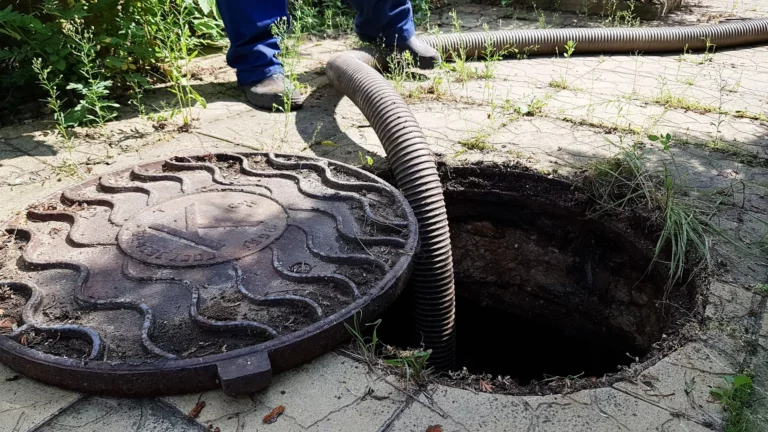
Regular septic tank pumping stands as the most critical maintenance task for system longevity. Industry standards recommend pumping every three to five years, though actual frequency depends on household size, water usage patterns, and tank capacity. During pumping services, we remove accumulated sludge and scum layers that would otherwise overflow into the drain field, causing system failure. Our technicians also inspect tank baffles, which prevent solids from entering the drain field, checking for deterioration or damage that could compromise system performance.
Beyond routine pumping, comprehensive septic inspections identify potential issues before they escalate into major problems. We examine inlet and outlet pipes for blockages or root intrusion, assess tank structural integrity for cracks or leaks, and evaluate drain field conditions for signs of hydraulic overloading. Electronic locating equipment helps us precisely map system components, particularly valuable for older properties where original installation records may be incomplete or missing. As a family owned and locally operated Roto-Rooter Plumbing Franchise, we combine national expertise with deep knowledge of Sonora, CA and Kihei, HI and surrounding areas soil conditions and environmental regulations.
Signs Your Septic System Needs Professional Attention
Recognizing early warning signs of septic problems can save thousands of dollars in repair costs and prevent environmental contamination. Slow draining fixtures throughout your home often indicate either tank capacity issues or drain field saturation. While a single slow drain might suggest localized pipe blockage, multiple affected fixtures point toward systemic septic problems requiring professional evaluation.
Sewage odors around the tank or drain field area signal potential system failure. These unpleasant smells may result from damaged tank seals, overwhelmed bacterial populations, or hydraulic overloading pushing untreated wastewater to the surface. Standing water or unusually lush vegetation over the drain field also indicates problems, as these symptoms suggest effluent isn’t properly percolating through soil layers. Indoor plumbing backups, particularly in lower level fixtures, represent urgent situations requiring immediate professional intervention to prevent property damage and health hazards.
Advanced Septic Solutions and Repair Services
When septic systems fail, our full service and construction plumbing capabilities enable comprehensive repair and replacement solutions. Drain field rejuvenation techniques can sometimes restore failed absorption areas without complete replacement. These methods include:
- Hydraulic fracturing creates new pathways for effluent absorption in compacted soils
- Bio-remediation introduces specialized bacteria to restore biological balance
- Mechanical aeration retrofits existing tanks with oxygen injection systems for improved waste processing
- Distribution box replacement ensures even effluent distribution across drain field lines
For severely compromised systems, complete replacement may prove more economical than repeated repairs. Modern septic technologies offer improved efficiency and longevity compared to older designs. Advanced treatment units incorporating aerobic digestion, membrane bioreactors, or constructed wetlands provide superior effluent quality, particularly important in environmentally sensitive areas or properties with limited drain field space.
Protecting Your Septic Investment
Proper septic system care extends beyond professional maintenance to include mindful daily practices. Water conservation directly impacts system longevity by preventing hydraulic overloading. Installing high-efficiency fixtures, repairing leaky faucets promptly, and spreading laundry loads throughout the week rather than completing all washing in one day significantly reduces stress on septic components.
Chemical usage requires careful consideration, as harsh products can destroy beneficial bacteria essential for waste decomposition. Antibacterial soaps, bleach, and drain cleaners should be used sparingly. Similarly, non-biodegradable items including feminine hygiene products, cigarette butts, and disposable wipes must never enter the septic system, regardless of “flushable” marketing claims. Grease and cooking oils solidify in tanks, forming scum layers that reduce effective capacity and potentially clog outlet baffles. These substances should be disposed of through appropriate solid waste channels rather than down kitchen drains.