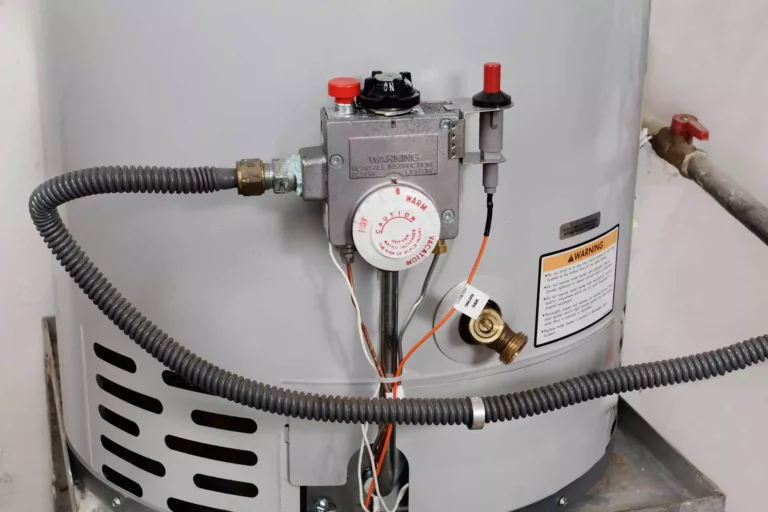
Water Heater Services and Solutions
When your morning shower turns ice cold or you notice puddles forming around your water heater, you need experienced professionals who understand the urgency of the situation. At Roto-Rooter Plumbing, we specialize in comprehensive water heater services that keep hot water flowing reliably through your home. Our fourth generation of plumbing contractors brings decades of expertise to every installation, repair, and maintenance call throughout Sonora, CA and Kihei, HI and surrounding areas.
Water heaters represent one of the most critical components in any residential or commercial plumbing system, accounting for approximately 18% of a typical home’s energy usage. Whether you’re dealing with a traditional tank-style unit or exploring modern tankless options, our full service and construction plumbing capabilities ensure we can handle any water heater challenge. From emergency repairs to complete system overhauls, we provide the technical expertise and rapid response times that property owners throughout Tuolumne, Calaveras and Mariposa Counties have relied on for years.
Understanding Different Water Heater Technologies
Traditional storage tank water heaters remain the most common choice for homeowners, utilizing either natural gas or electricity to maintain 40 to 80 gallons of heated water ready for immediate use. These systems operate through a relatively simple process where cold water enters the tank through a dip tube, gets heated by gas burners or electric elements, and rises to the top where it exits through the hot water outlet. The thermostat continuously monitors water temperature, triggering the heating elements when temperatures drop below the set point, typically between 120 and 140 degrees Fahrenheit.
Tankless water heaters, increasingly popular in Sonora, CA and Kihei, HI and surrounding areas, provide on-demand hot water by heating water directly as it flows through the unit. These systems eliminate standby heat loss associated with storage tanks and can reduce energy consumption by 24 to 34 percent for homes using less than 41 gallons of hot water daily. Heat pump water heaters represent another energy-efficient option, using electricity to move heat from surrounding air into the water rather than generating heat directly, achieving efficiency rates two to three times higher than conventional electric resistance water heaters.
Common Water Heater Problems We Address
Water heater malfunctions manifest in various ways, each requiring specific diagnostic approaches and repair strategies. Insufficient hot water often stems from sediment buildup in tank-style heaters, where minerals from hard water accumulate at the bottom of the tank, creating an insulating barrier between the heating element and water. This sediment layer forces the system to work harder, increasing energy consumption and accelerating component wear. Our drain and septic company expertise allows us to perform thorough tank flushes that restore optimal heat transfer efficiency.
Temperature fluctuations and inconsistent hot water delivery frequently indicate failing thermostats, damaged dip tubes, or crossed connections in the plumbing system. Leaking water heaters demand immediate attention, as even small leaks can cause significant water damage and mold growth. Tank corrosion, loose connections, and excessive pressure represent the primary causes of water heater leaks. Strange noises like popping, rumbling, or whistling sounds typically indicate sediment buildup, scale formation on heating elements, or water pressure issues that require professional evaluation and correction.
Professional Installation and Replacement Services
Proper water heater installation involves multiple technical considerations that directly impact system performance, efficiency, and longevity. Our family owned and locally operated Roto-Rooter Plumbing franchise follows strict installation protocols that begin with accurate sizing calculations based on household hot water demand, recovery rate requirements, and available fuel sources. We evaluate factors including:
- First hour rating calculations determining peak demand capacity needs
- Energy factor ratings comparing operational efficiency across different models
- Venting requirements ensuring proper exhaust for gas-fired units
- Electrical load assessments verifying adequate power supply for electric models
- Seismic strapping requirements meeting local building codes for earthquake safety
- Thermal expansion tank needs protecting closed plumbing systems from pressure damage
Installation complexity varies significantly between water heater types. Gas water heaters require proper venting to safely exhaust combustion gases, with options including atmospheric venting, power venting, and direct venting configurations. Electric water heaters demand appropriate circuit sizing and may require electrical panel upgrades to accommodate high-amperage units. Our comprehensive approach ensures every installation meets manufacturer specifications, local building codes, and industry best practices for optimal performance and safety throughout the system’s operational life.